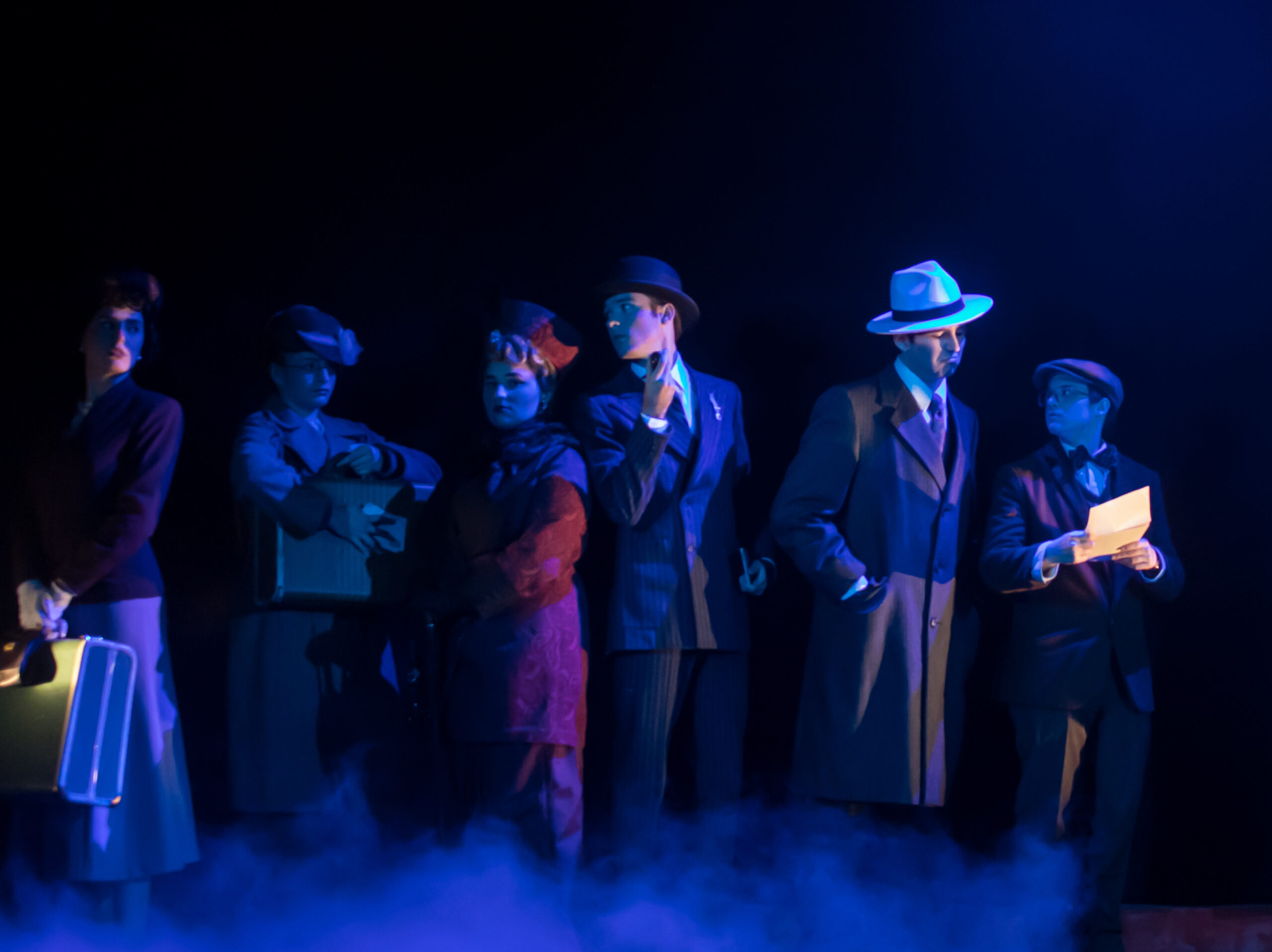
How I went about understanding the text, the circumstances around my character, and how to incorporate both in my performance.
After understanding the basic ideas of the text, I needed to dig deeper to begin embodying the character. This included Chunking the Text, Hagen’s Nine Questions, Physical Explorations, Yelling, and figuring out how the heck you use a pipe!
Chunking the Text
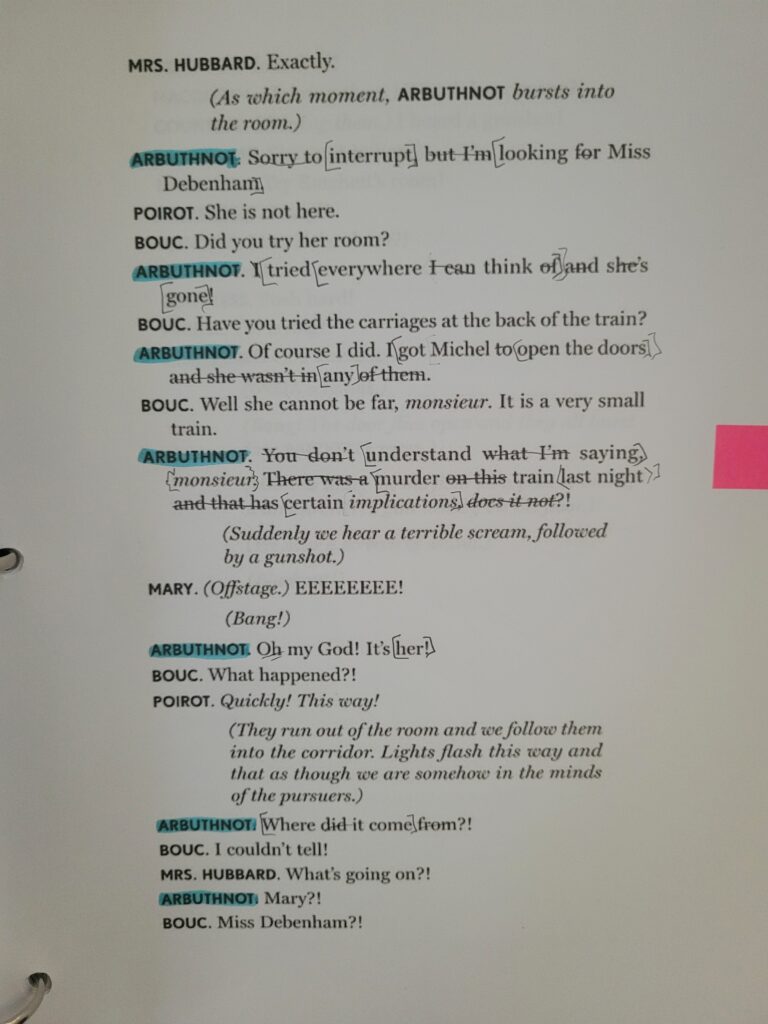
When I was in Julius Caesar, Marc taught us how to chunk the text. Shakespeare’s use of language is infamously complicated and rich. To discern what’s going on, we would isolate each idea and find their relationship to one another. This follows the premise that the text is how you communicate your ideas/images in your mind. Words like ‘the’ and ‘for’ are just grammatical roadmaps to do this. If I said
“Mary had a little lamb.”
The only terms that matter are [mary] and [little lamb], and the ‘had a’ is just filler. This is really useful when trying to figure out the ideas of the text and cutting out the filler. This works in tandem with Hagen’s six steps.
Hagen’s Six Steps
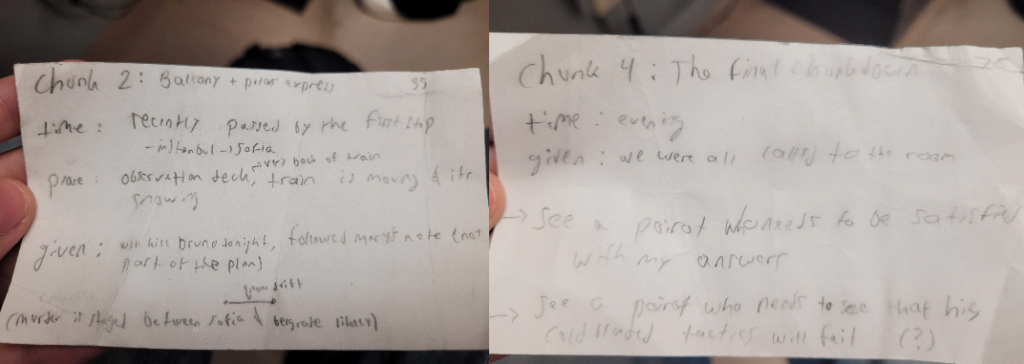
I knew about Uta Hagen’s steps for the actor before I came to UMW, but in Acting 1 I became deeply familiar with them. She asks the actor to understand the essential details of every scene in order to live in it. To do so you should discover:
- Who am I?
- What are the given circumstances?
- What are my relationships?
- What do I want?
- What is in my way?
- What do I do to get what I want?
On the cards above, I explored this for the four main chunks of the play where I have lines. I also explored some new wording that centered my needs and objectives on my scene partners. This is a hint to some preparation I would soon explore from The Actor and the Target. These served me well as a way to understand what I was doing in each scene so I could engage with my scene partners. While these cards were written before the first rehearsal, the information they provided set the foundation for my further inquiry into Colonel Arbuthnot.
Physical Exploration
The 1930s had a unique style and codified movements in their clothing. So, in our second rehearsal, we began exploring what this would feel like by looking at images from the movie Grand Hotel. I explored the information from this movie once with the cast on our second rehearsal and again later in our third technical rehearsal.
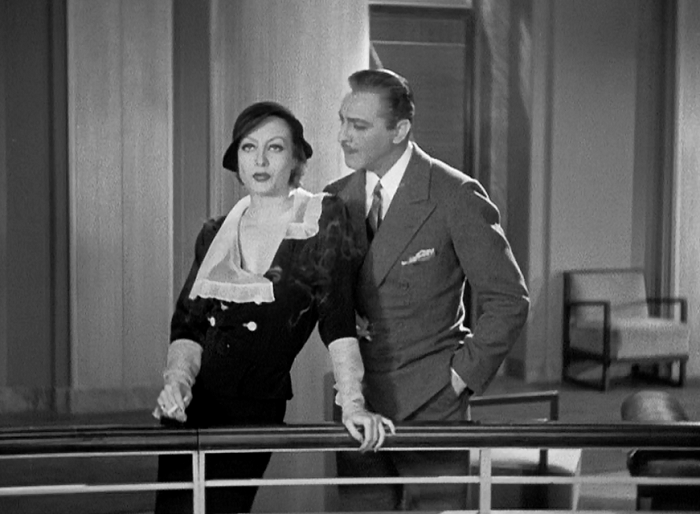
The most useful observation I had was that most men moved their bodies in a way that wouldn’t wrinkle their clothing. This was a glamorous era, so it makes sense that they moved their bodies in such a way that at any moment if a photo were taken of them, it would be gorgeous. In my later investigations, it turned out this was true regardless of whether the clothes were on at all. The movements were so codified they transformed their relaxed bodies too.
I wanted to begin working on this right away, so I always wore long pants and a tucked-in shirt to rehearsal, as it gave me the right tightness to work against and embody the 1930s physicality. Kevin, our costume designer, gave me numerous tips on how they treated their clothing. Firstly, they would tug up their pants before sitting down to not stretch the fabric at the knees. After doing it daily, I have become so used to doing it that I have even found myself doing it with shorts.
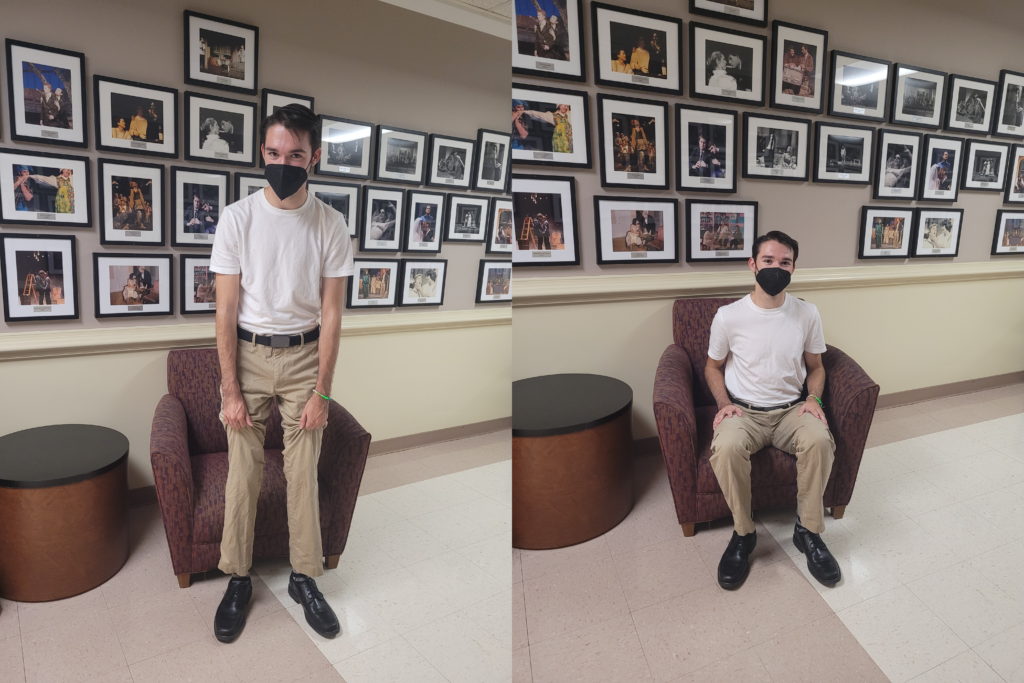
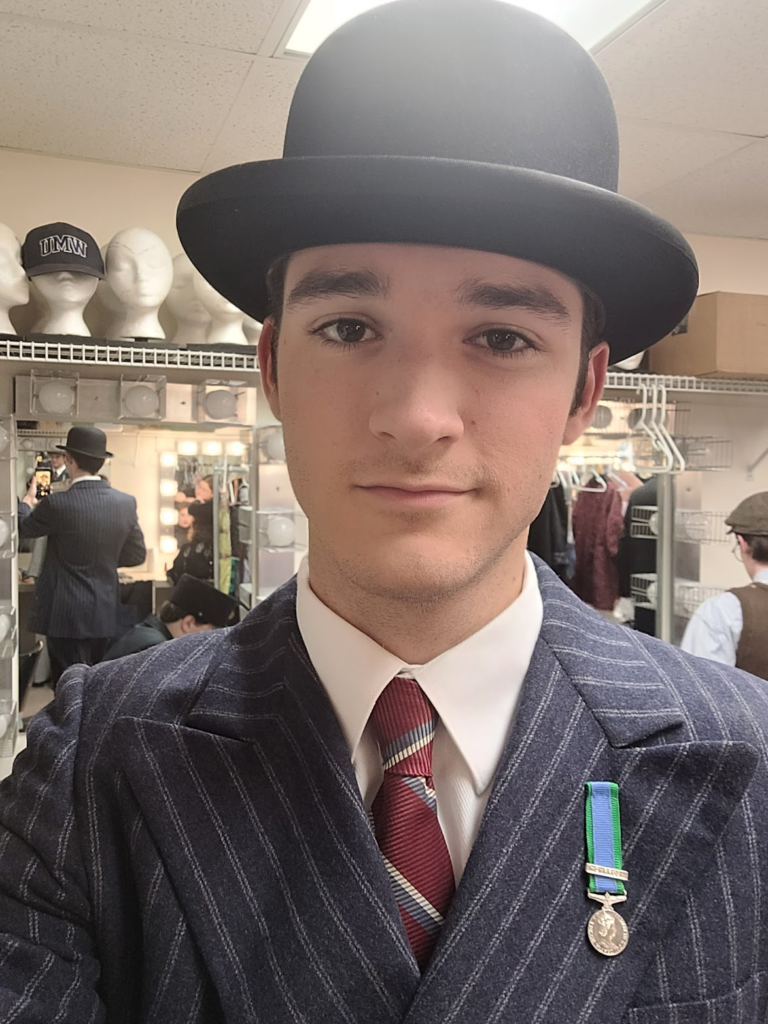
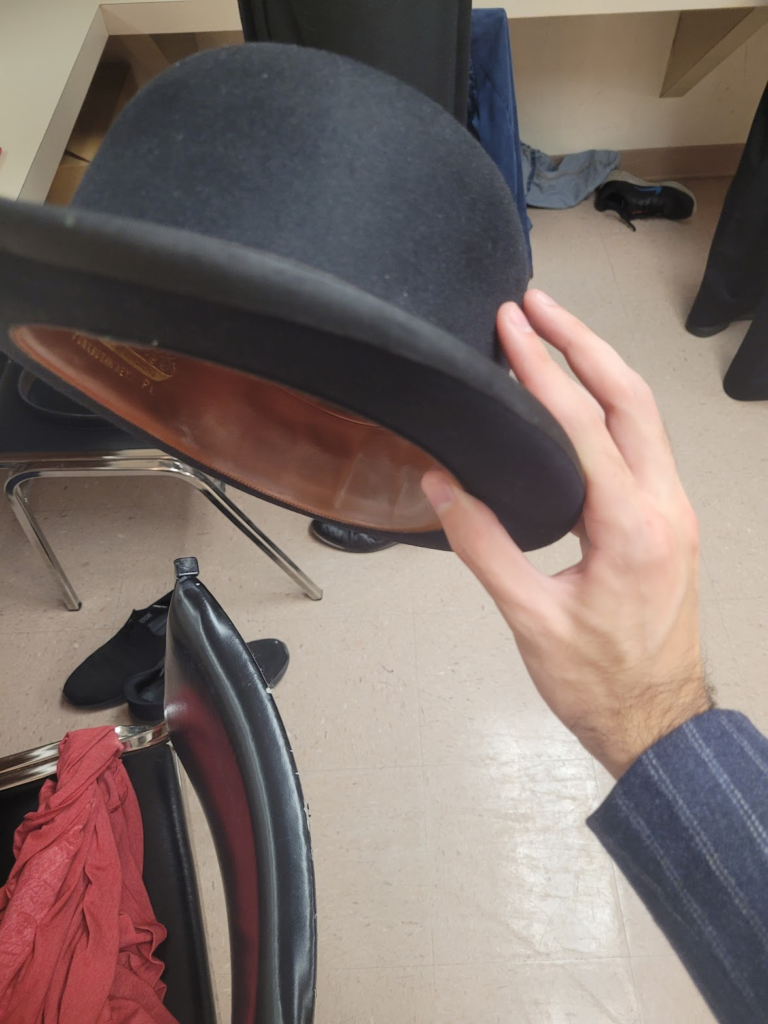
There is also my hat, and while it’s only present for two scenes, I want to handle it properly. Holding it by the brim would damage the hat over time, so I grabbed the base and the side to hold it. It’s also impolite to hold the inside part out, and men would often take their hats off the moment they were indoors.
The Pipe
One of my favorite parts of this process was my little journey into how Colonel Arbuthnot uses a pipe. Again, it’s only relevant for two scenes, but I’m meticulous.
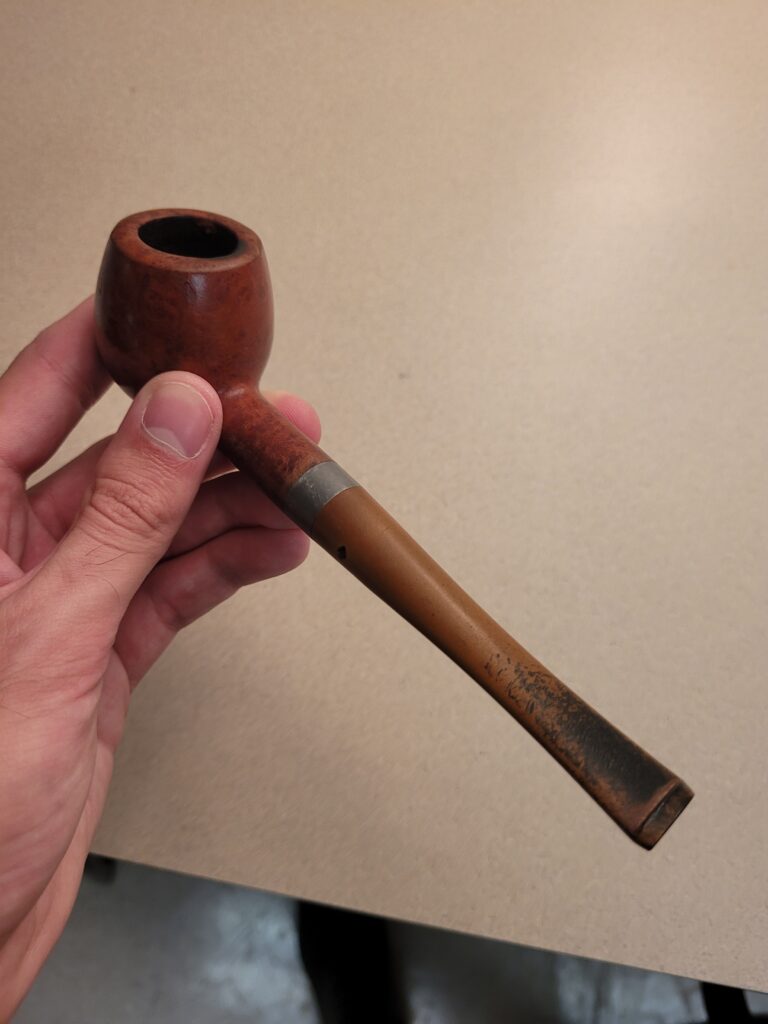
You should notice me right in the center of the image behind this text (hello!). That’s me, holding a pipe! In one scene, I rush in and end up kissing my partner. What I wanted to know is: will the tobacco in my pipe fall out if I tip it? Surprisingly, no! I looked at a few YouTubers and websites for tips, and the tobacco is actually packed in pretty tight. You need a bowl with a cork in it to knock it out once it’s packed and burned. Because it’s dense, it needs to be lit and re-lit a few times. The “pop pop pop” sound associated with it is that when the light is almost out you can move the air slightly (like if you were making a popping sound) to bring back the flame.
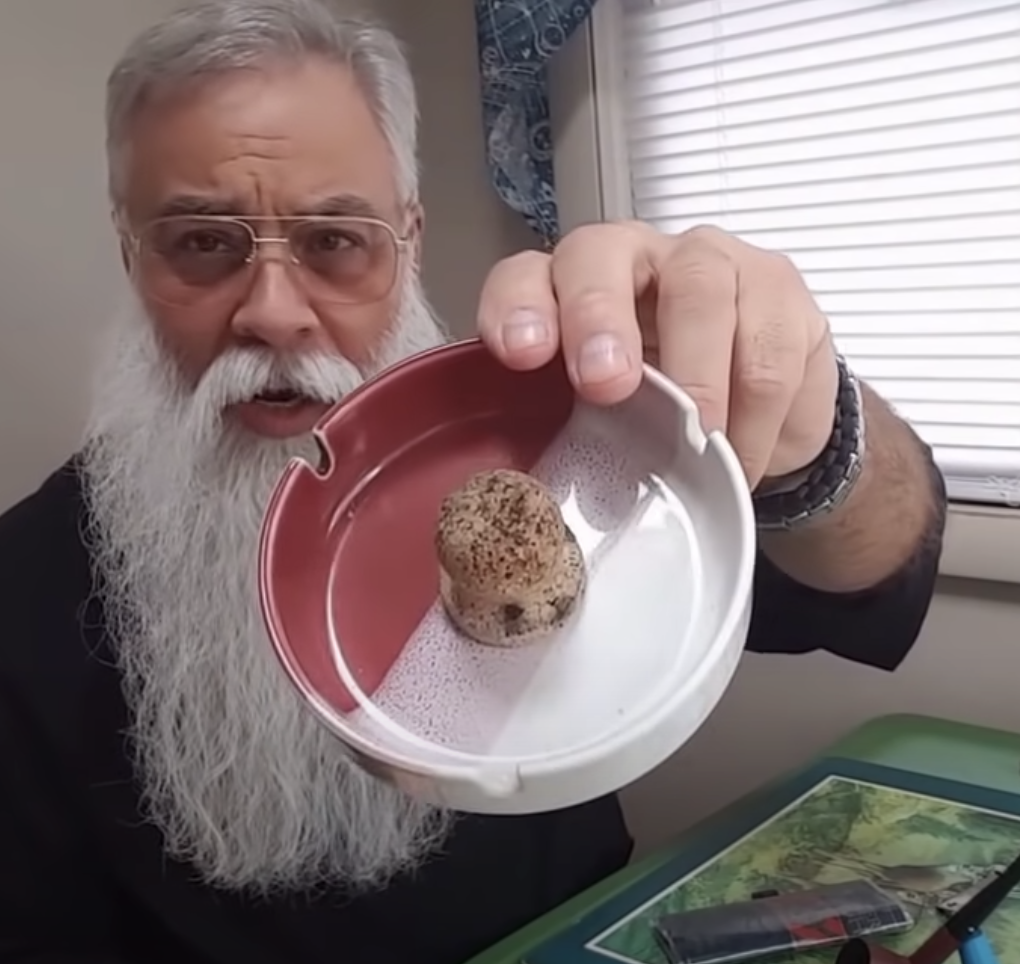
It’s a slow process to prepare a pipe, but it’s a long payoff, with the activity taking 20-40 minutes. You sip it like a drink and immediately blow it out. You want the smoke in your mouth, not your lungs, and you’re aiming to get a certain flavor in your mouth.
My next question was: where do I keep it? If I were to put it in my pocket, the burnt tobacco would probably soil my pants. I found out there are pipe pouches for this exact reason.
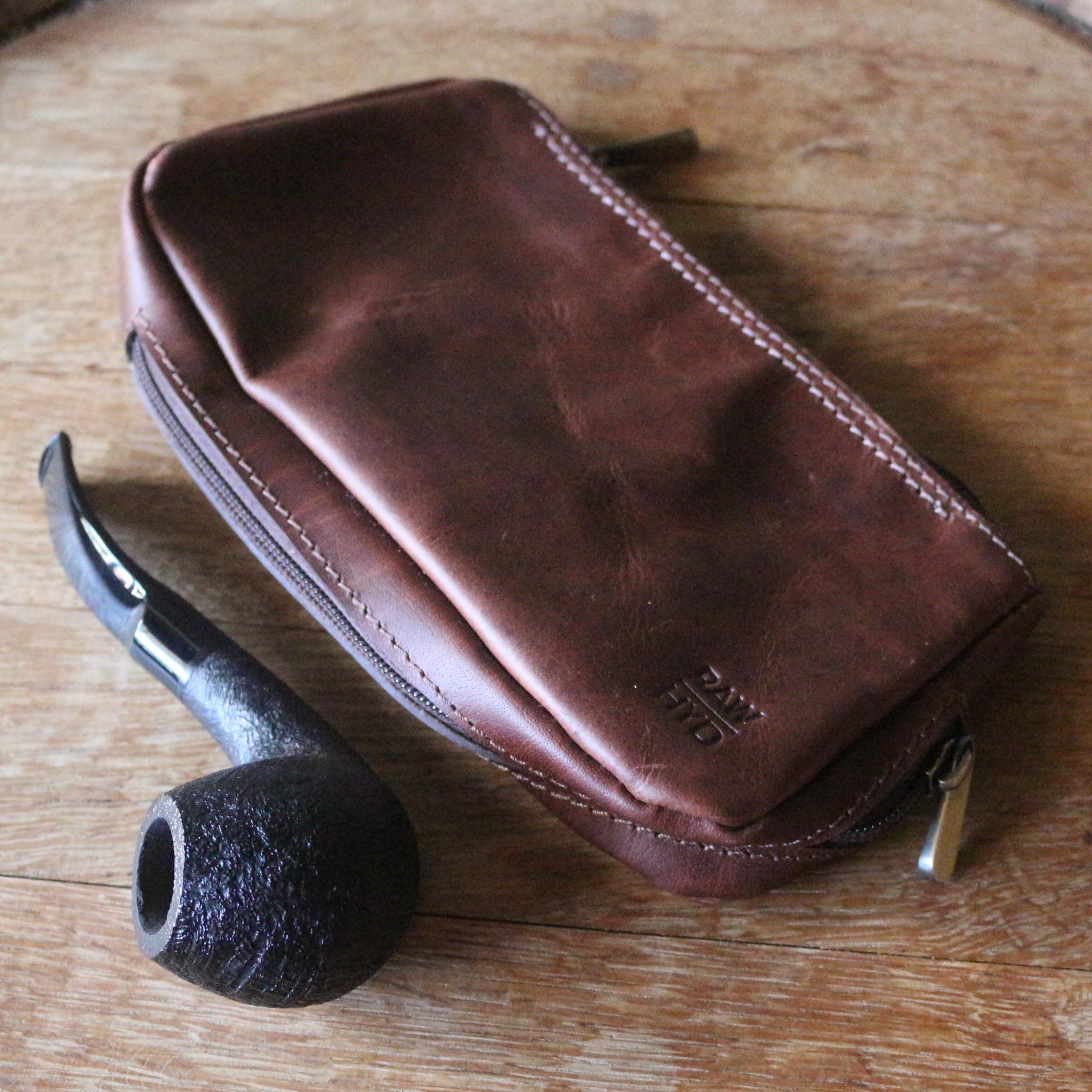
This investigation gave me a better context for how to handle my pipe. I even integrated knocking out the tobacco in Scene 7 with Mary!
Extra resource: https://www.youtube.com/watch?v=_VNbG2najFk
Yelling
This wasn’t an early exploration, but it fits with the above topics. In shows past, and certainly this one, there are moments that require yelling. Doing this in a way that doesn’t hurt my voice is essential, and Marc taught me the basics. First, clear your throat a few times, noting how it feels. Then stick your tongue all the way out and do it again. It makes a grungey sound, like yelling, but doesn’t hurt your voice. This is because the false folds are vibrating intensely instead of the real folds doing so. From here, you make the same sound and move your tongue back, still trying to keep yourself relaxed. The tongue root needs to be extended, so at minimum, the tongue ought to press against the bottom teeth, and boom! The sound arises without hurting.
But of course, it did hurt on my first try. Additionally, as I increased my volume it hurt more and more. Integrating what I know about the call (being really loud, healthily) to producing this sound (also healthily) took a lot of work. Every day I’d stick my tongue out and practice, and before every scene I yell in I stepped outside to check myself.